

The American logistics and automotive landscape

Journey through the diverse landscapes of the United States


Domestic engineering power and aesthetics
Iconic designs shaping the global automotive industry
Essential vehicle maintenance protocols
Preventive care, such as transmission checks ensures longevity and reliability for cross-country travel, reducing the risk of sudden roadside breakdowns on isolated roads.

Transmission and fluid level checks
Monitoring oil and coolant prevents catastrophic engine seizure during summer heat.


Tire pressure monitoring
Proper inflation prevents highway blowouts and optimizes rolling resistance.


Cabin and air filter replacement
High-flow filtration boosts combustion efficiency and engine horsepower.

The future of sustainable US mobility
Technological advancements redefine how vehicles interact with smart grid infrastructure.

Electric powertrains
Zero emission fleet driving
Lithium-ion packs offer 300+ mile ranges, supported by fast-charging infrastructure along corridors. This transition significantly lowers carbon footprint dependence.
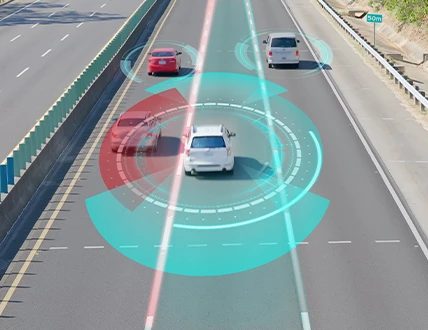
Autonomous driving sensors
Enhanced safety features
LiDAR and radar scan perimeters, enabling computers to predict hazards and manage adaptive cruise control. These aids mitigate human error in high-density traffic.

Connected cities
Smart traffic management
V2I communication allows signals to optimize flow, easing congestion in hubs like New York. This data exchange streamlines urban transit efficiency.
Transportation and logistics networks
Freight management systems
GPS telematics ensures real-time visibility for cargo crossing state lines.
Intermodal supply chains
Seamless container transfers between rail and road optimize shipping timelines.
Fleet optimization tools
Predictive maintenance analytics reduce idle time and diesel consumption.
Last mile delivery
Drone-assisted routing algorithms accelerate final residential drop-offs.

Defensive driving techniques
Anticipating motorist errors prevents collisions. Instructors emphasize safe braking distances, especially during adverse weather like heavy rain or black ice in the Rockies.

Passive safety systems
Chassis designs feature energy-absorbing crumple zones. Inside, side-curtain airbags and pretensioners secure passengers instantly after impact detection.
Evolving regulatory landscape
NHTSA and federal agencies update mandates, pushing innovation. These regulations shape zero-emission vehicles, meeting strict environmental criteria while delivering consumer performance, fostering a compliant, safer national transportation ecosystem.